


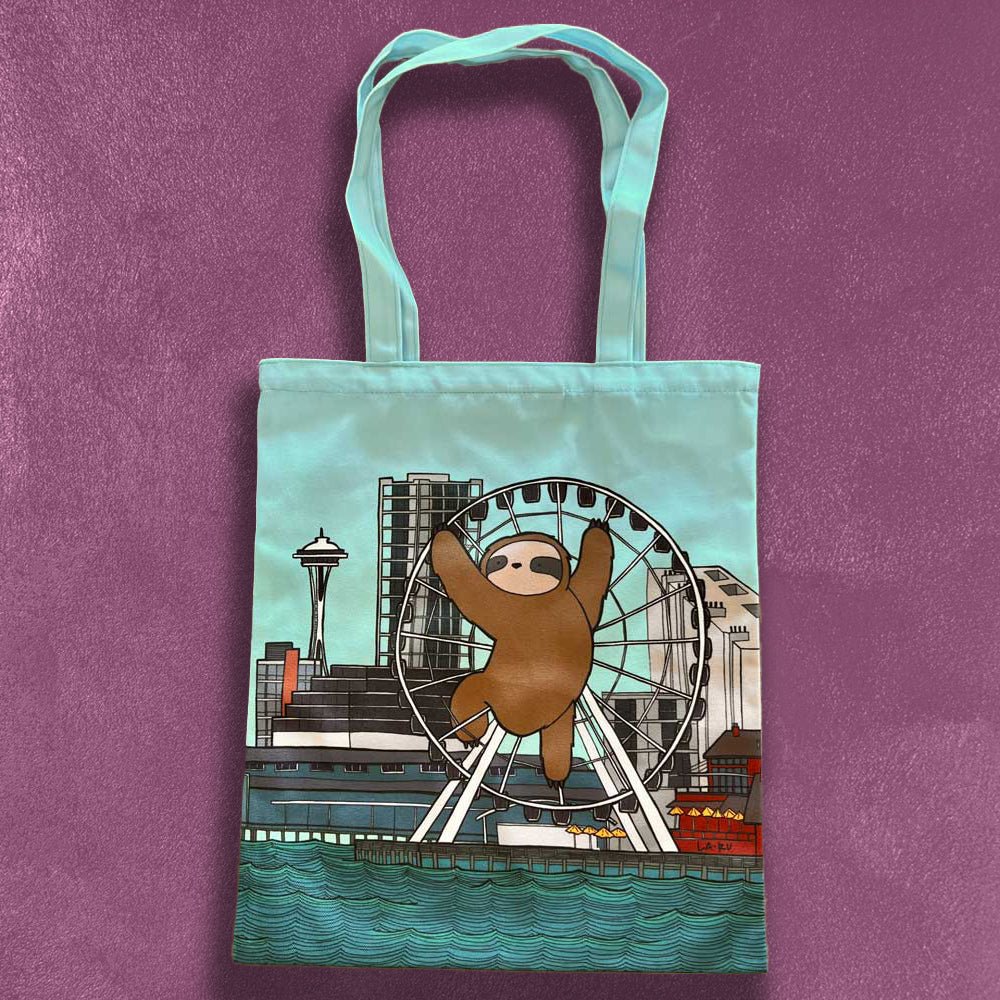
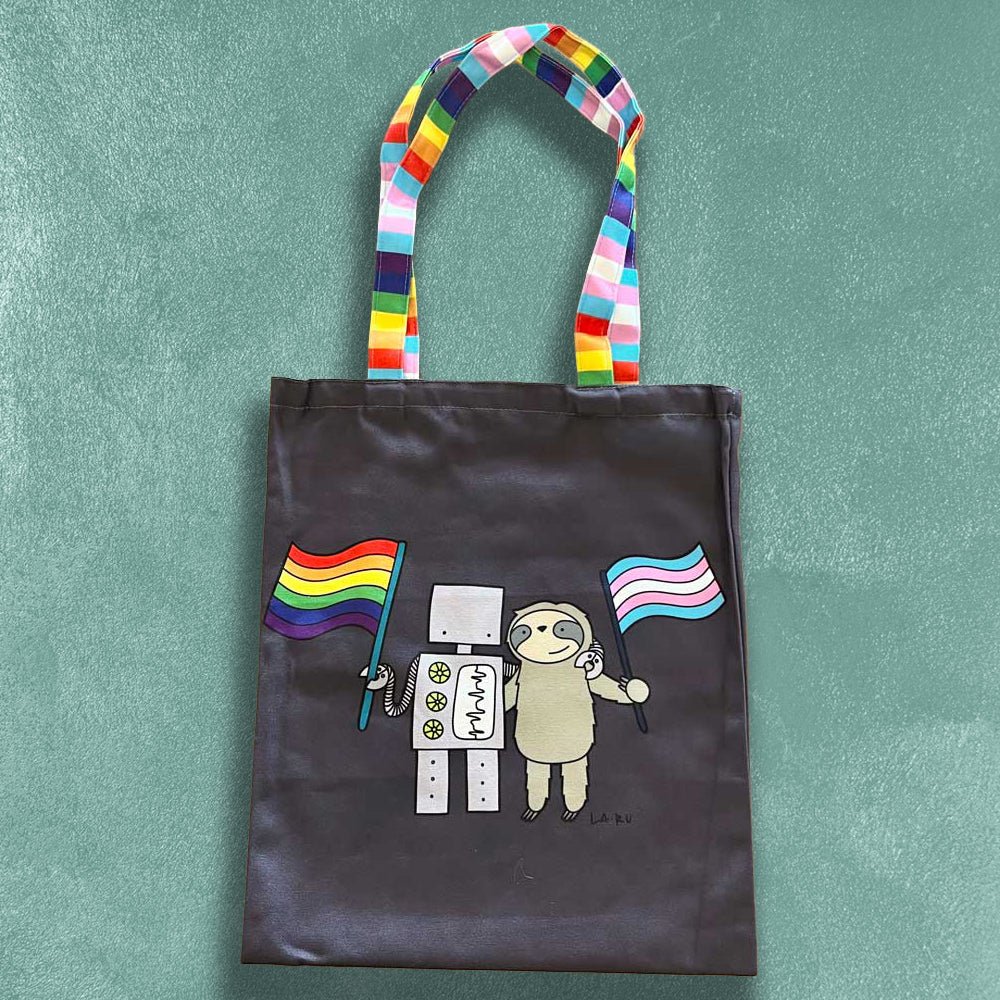
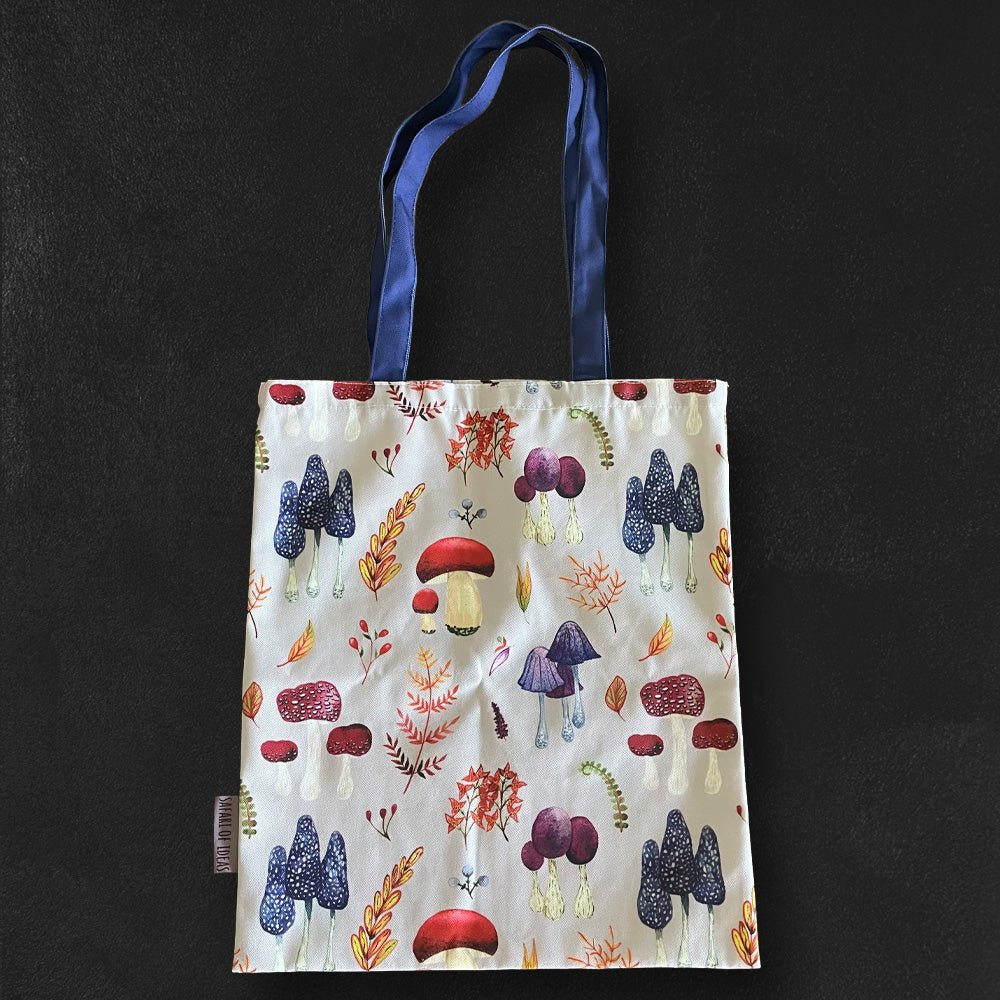
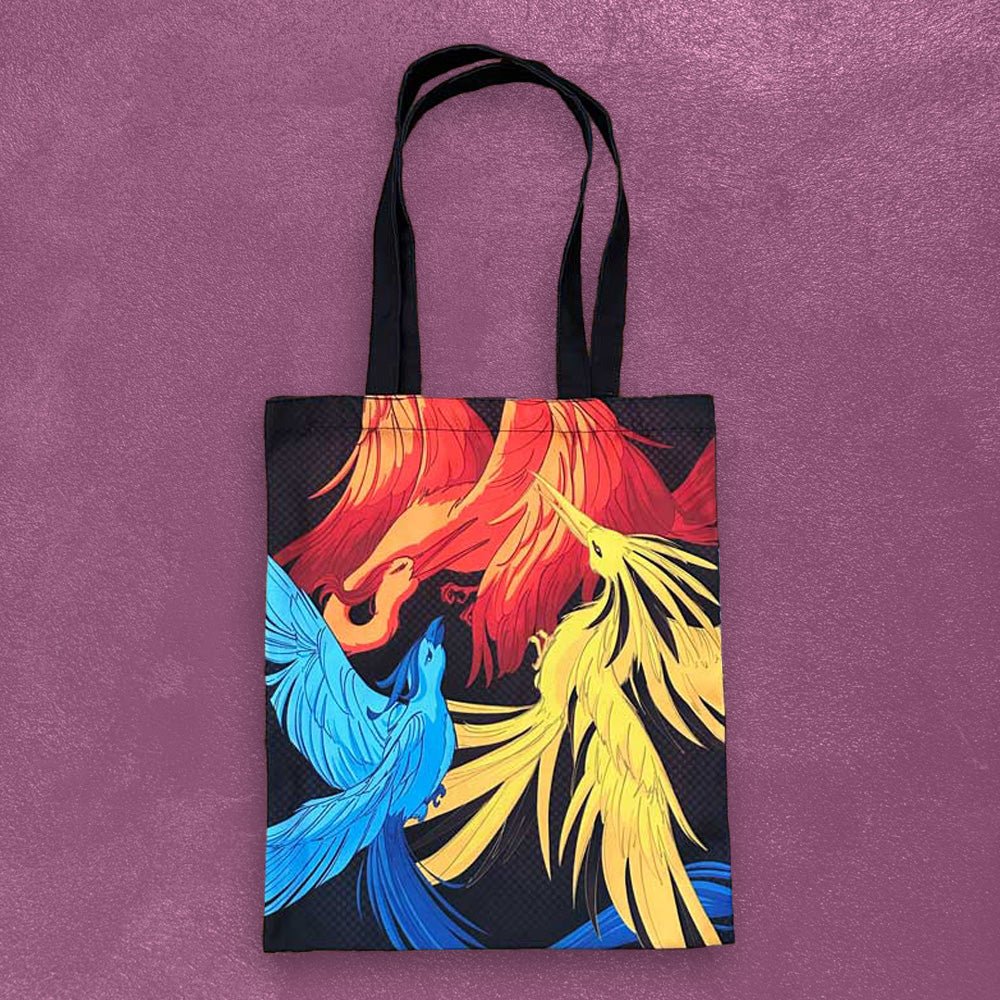
Custom Sublimated Tote Bags, Full-Color All-Over Print
Exact reruns of a design we've produced before skip straight to production, no new proof needed. Not sure where your number is? Just mention the reorder in Order Notes instead.
Pairs well with
Description
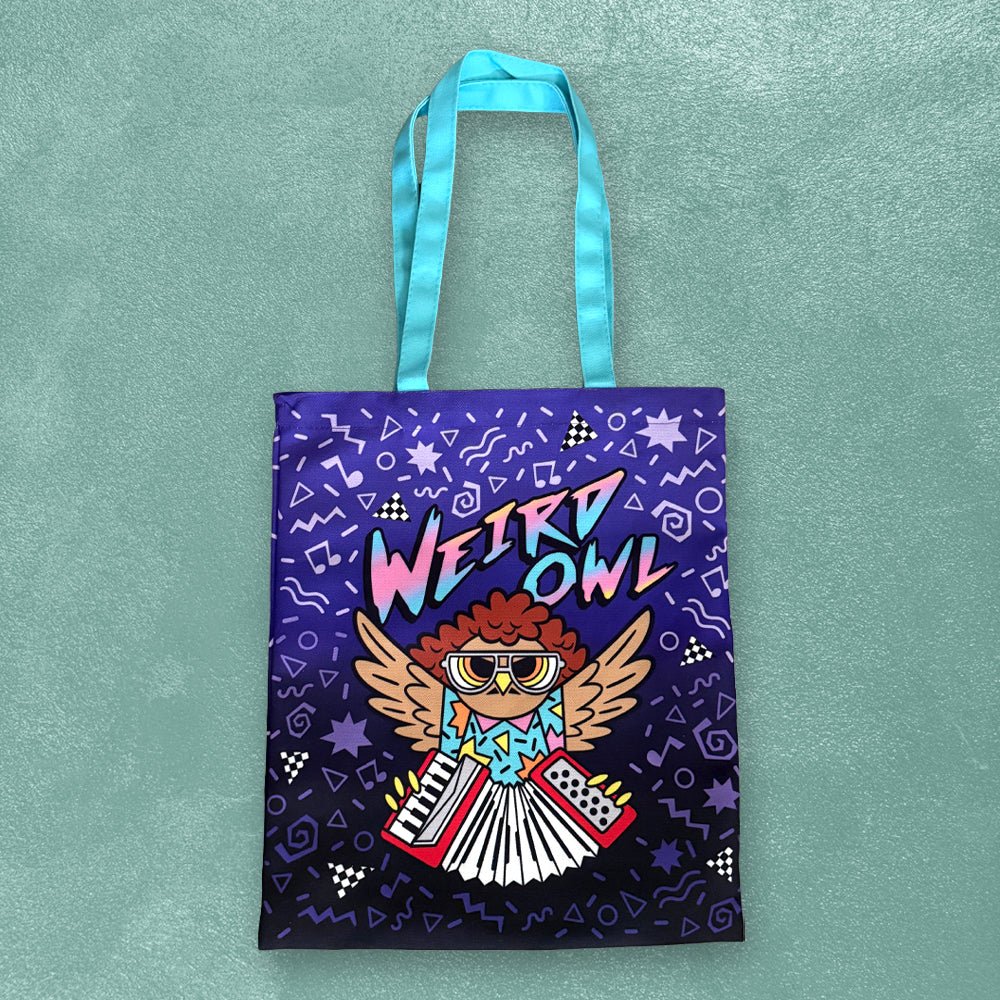
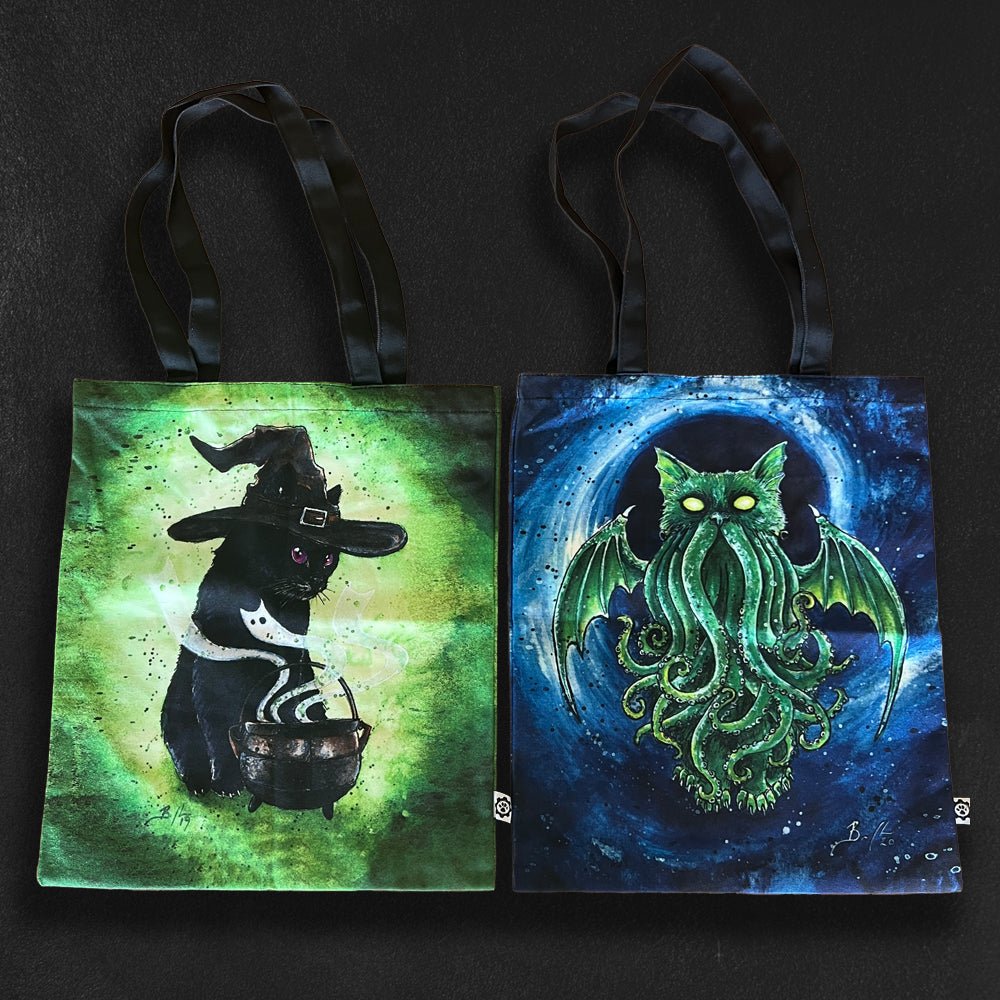
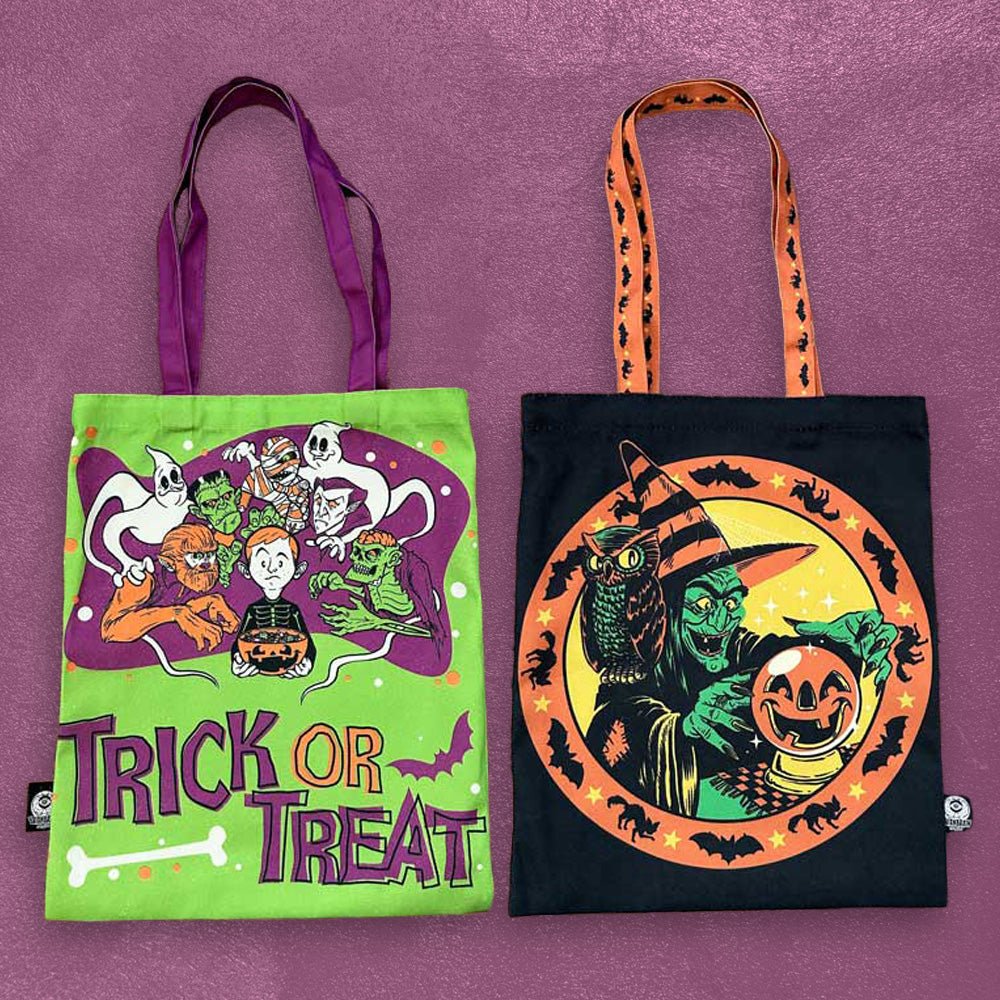
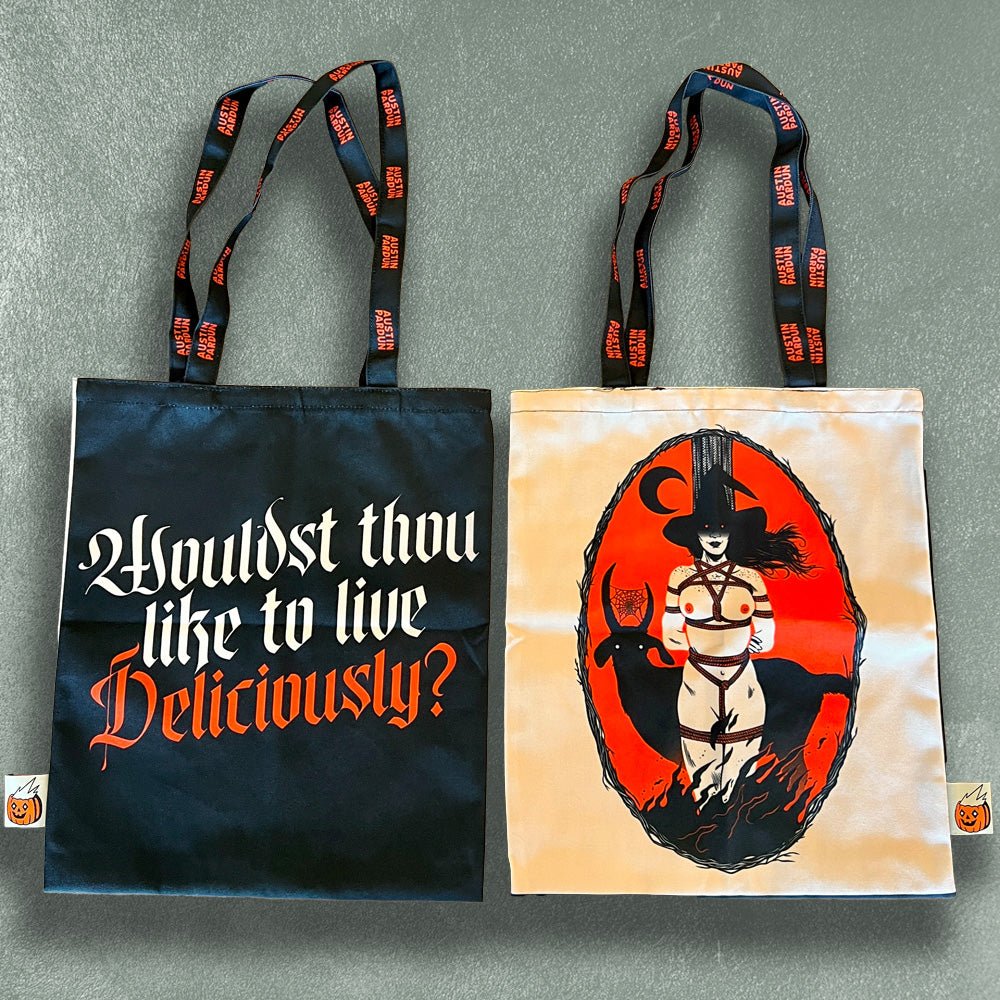
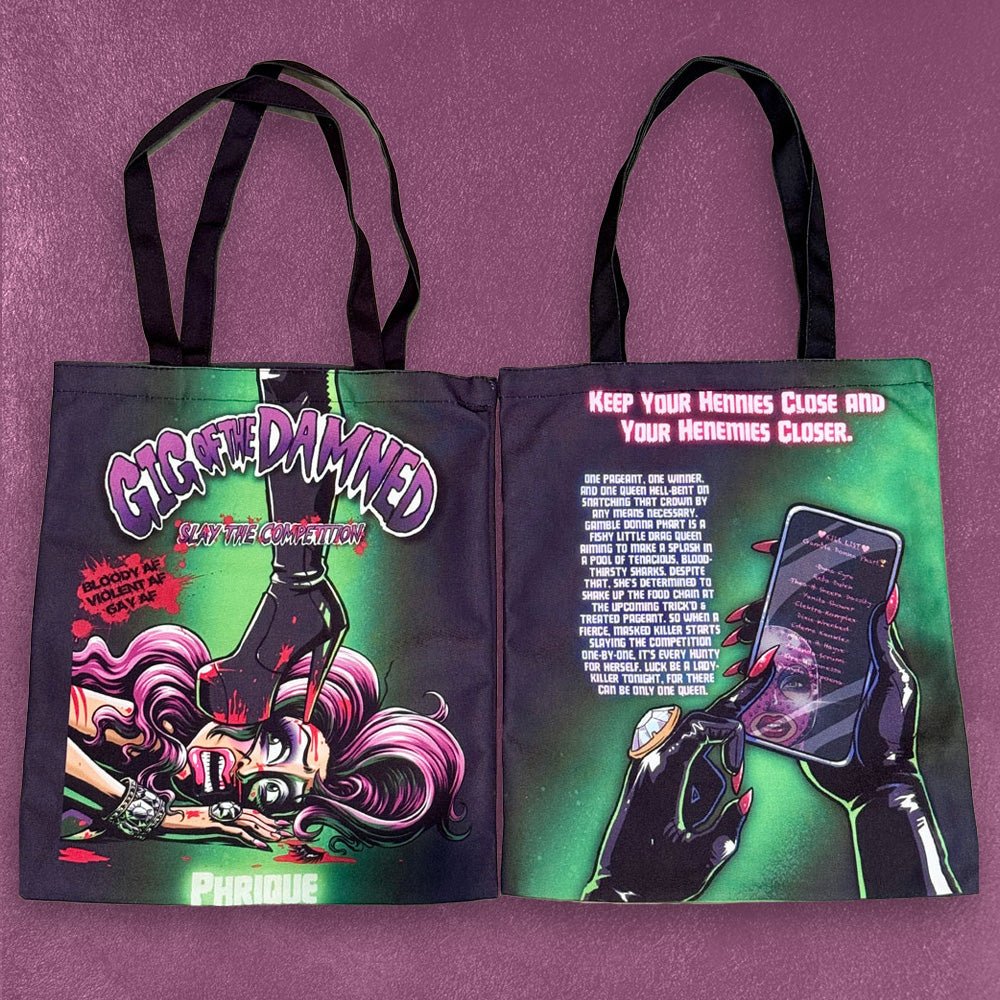
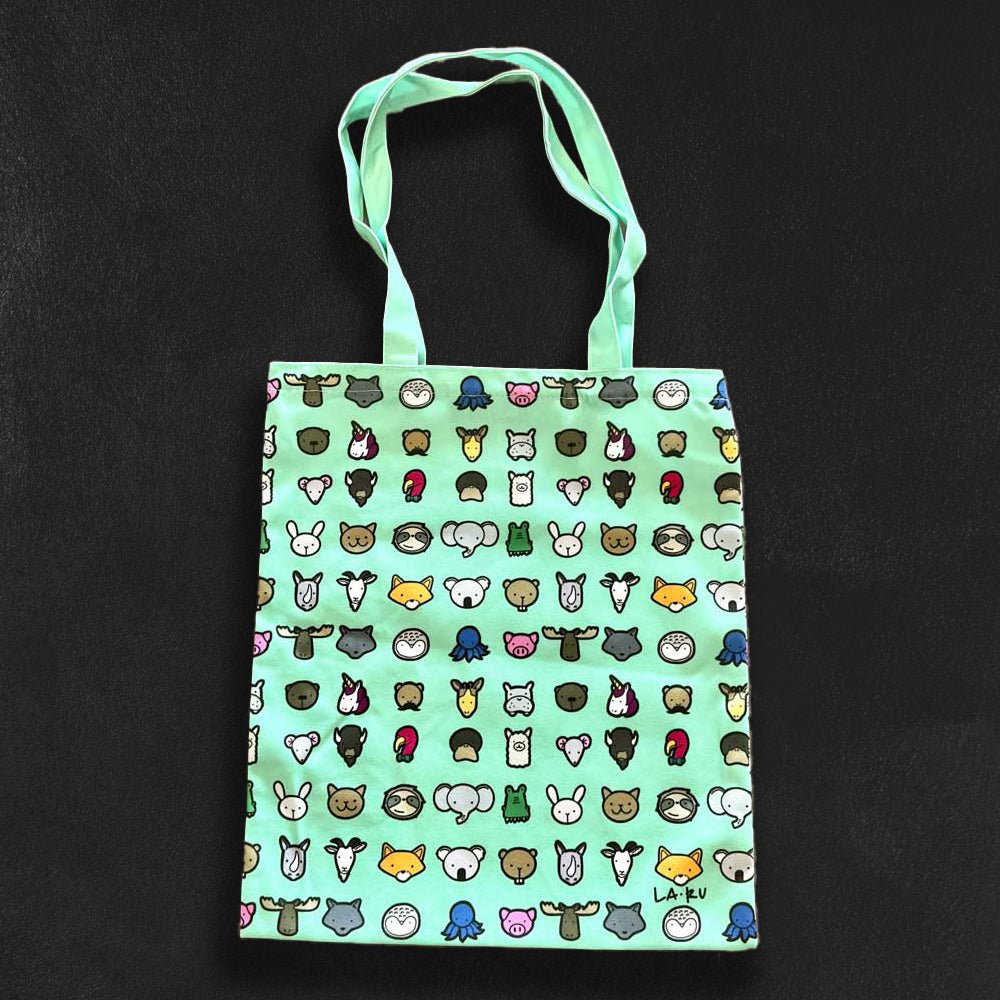
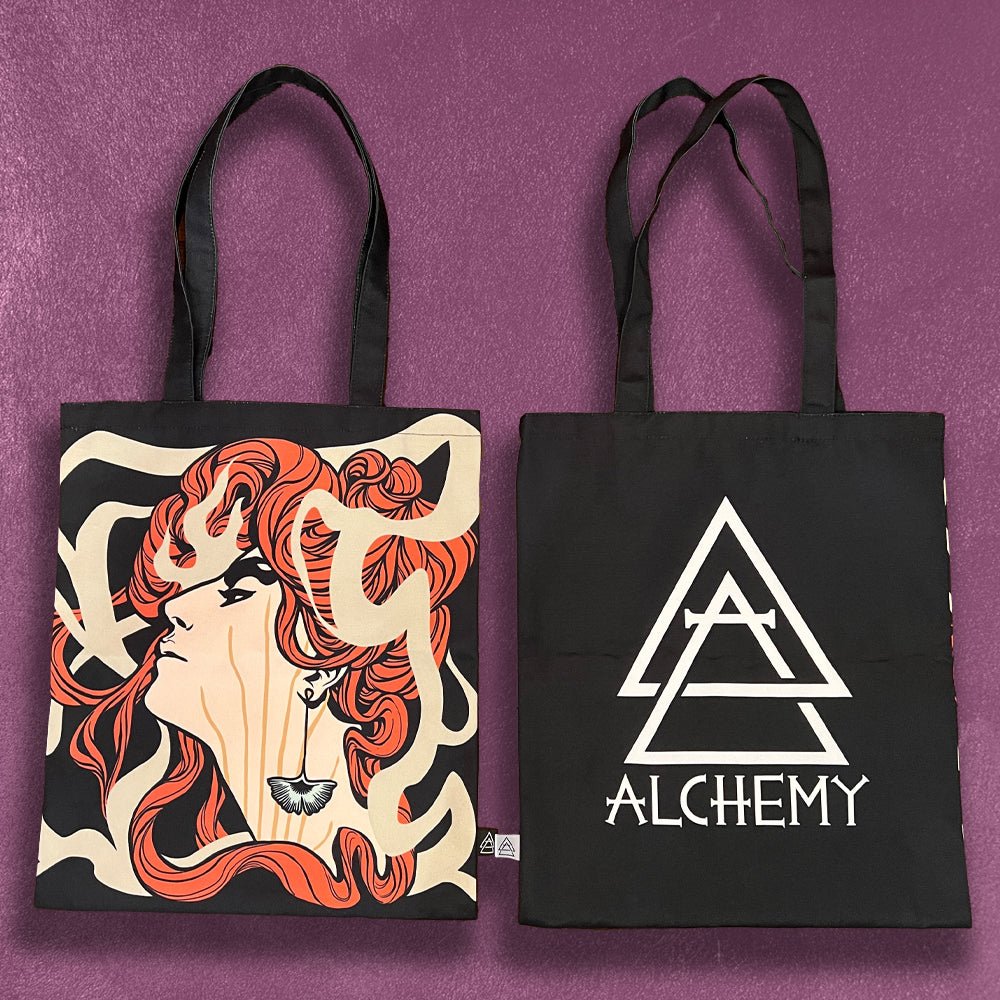
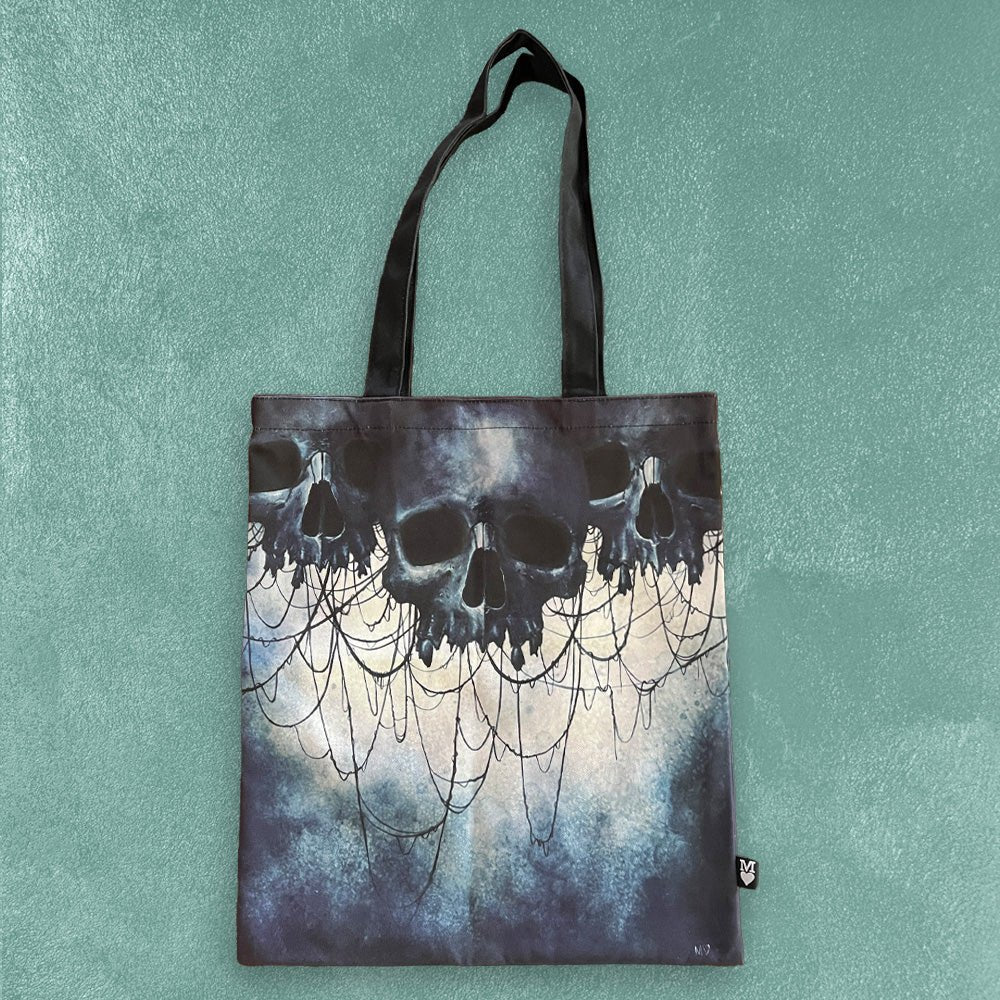
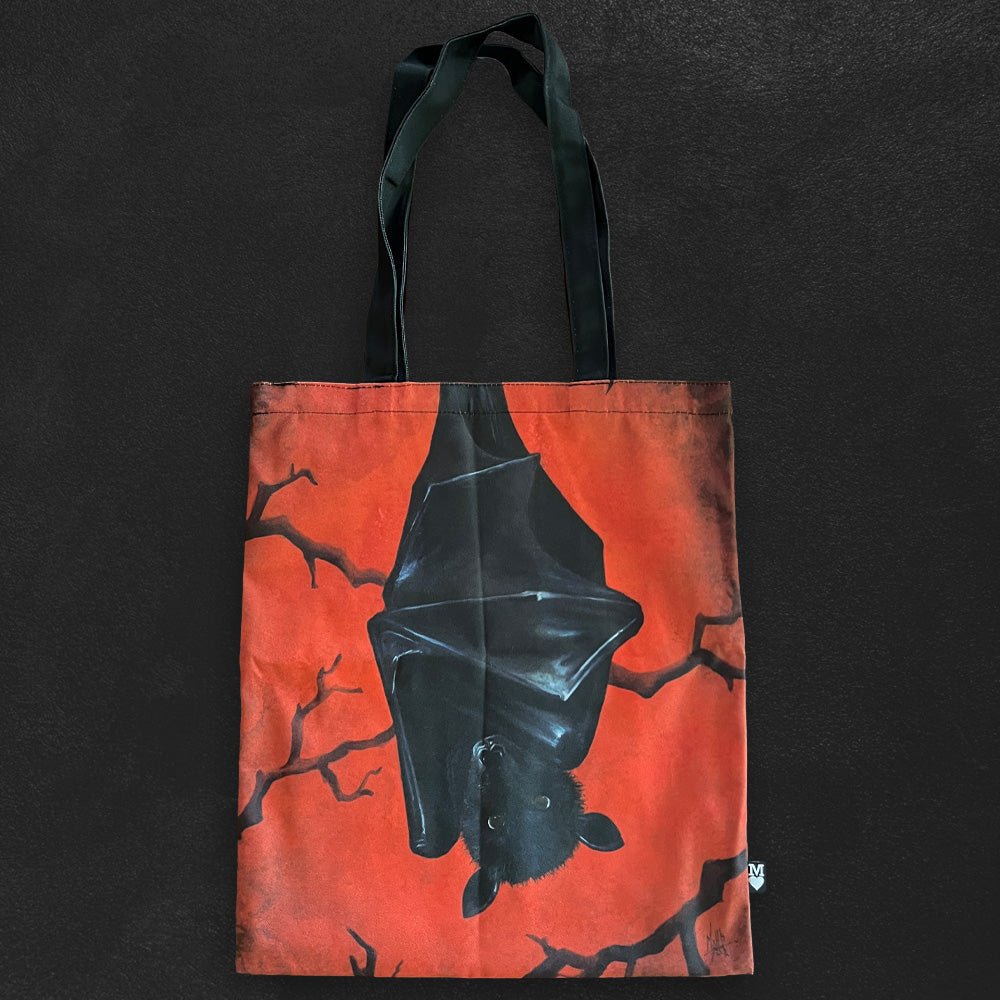
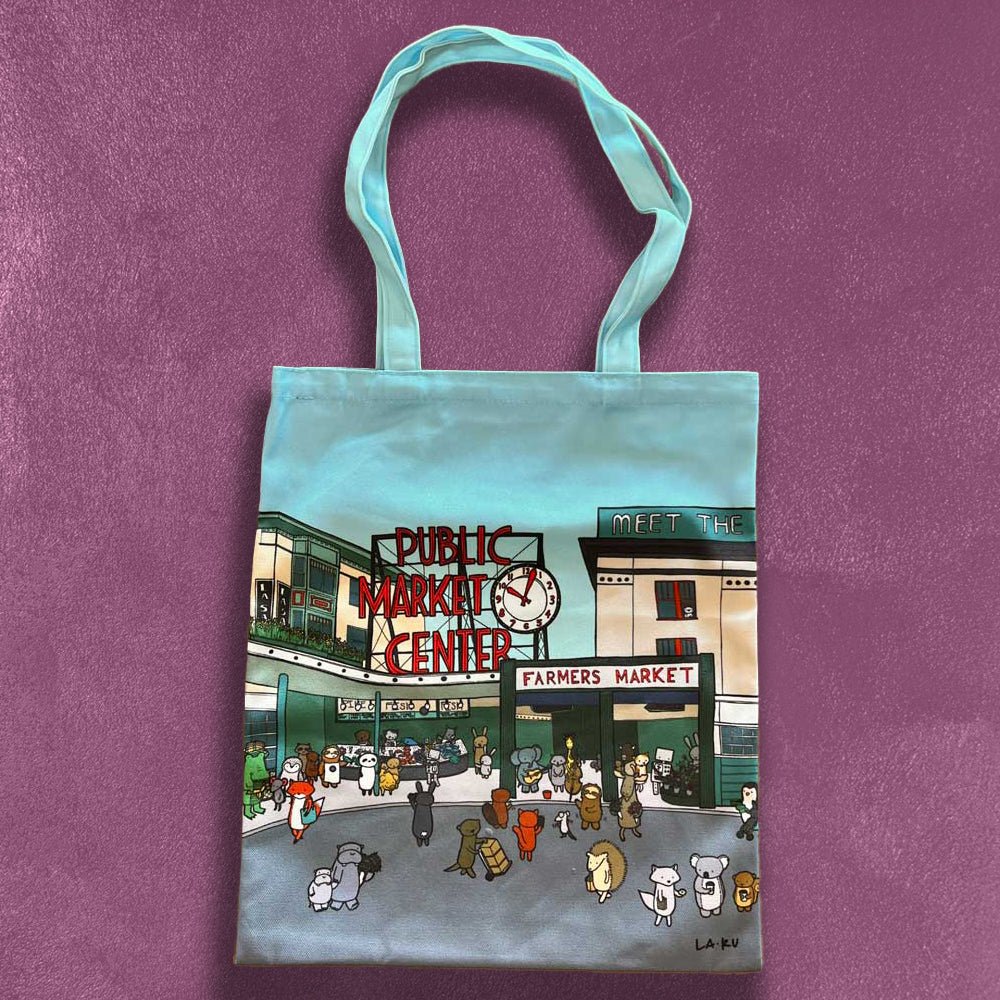
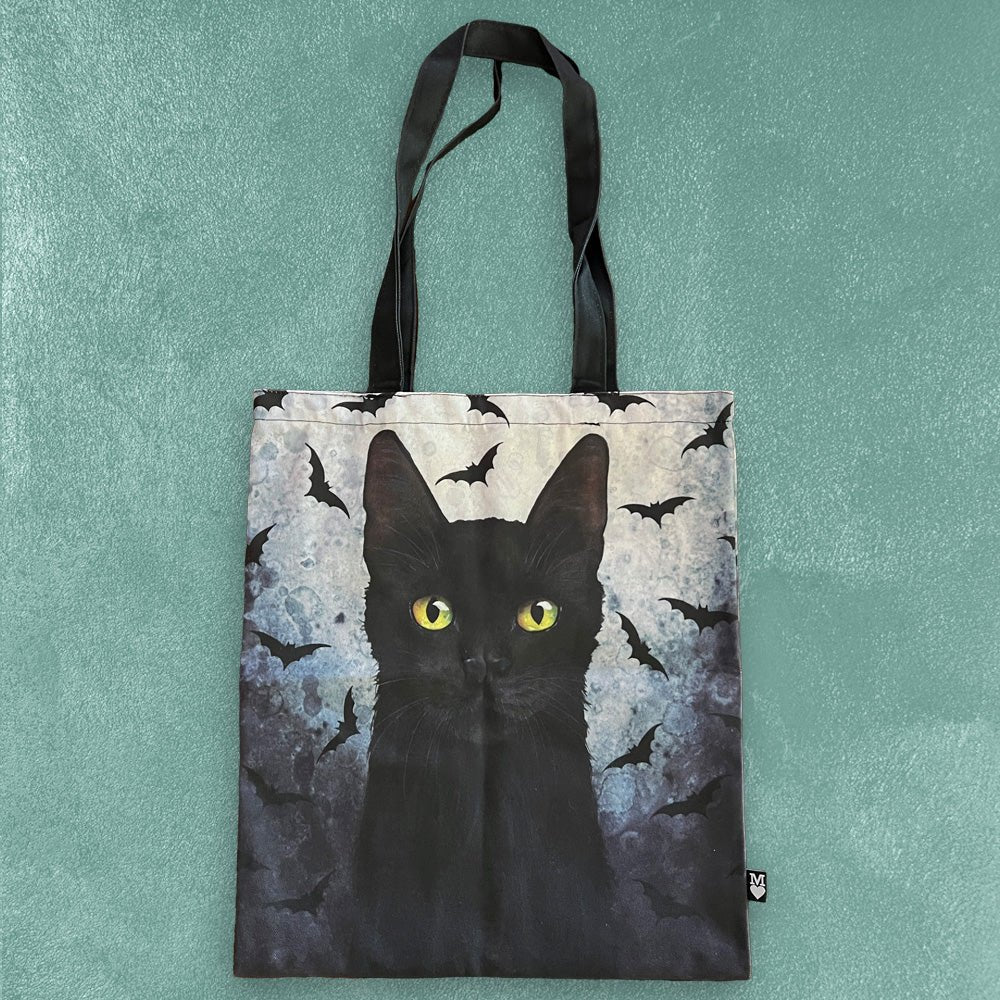
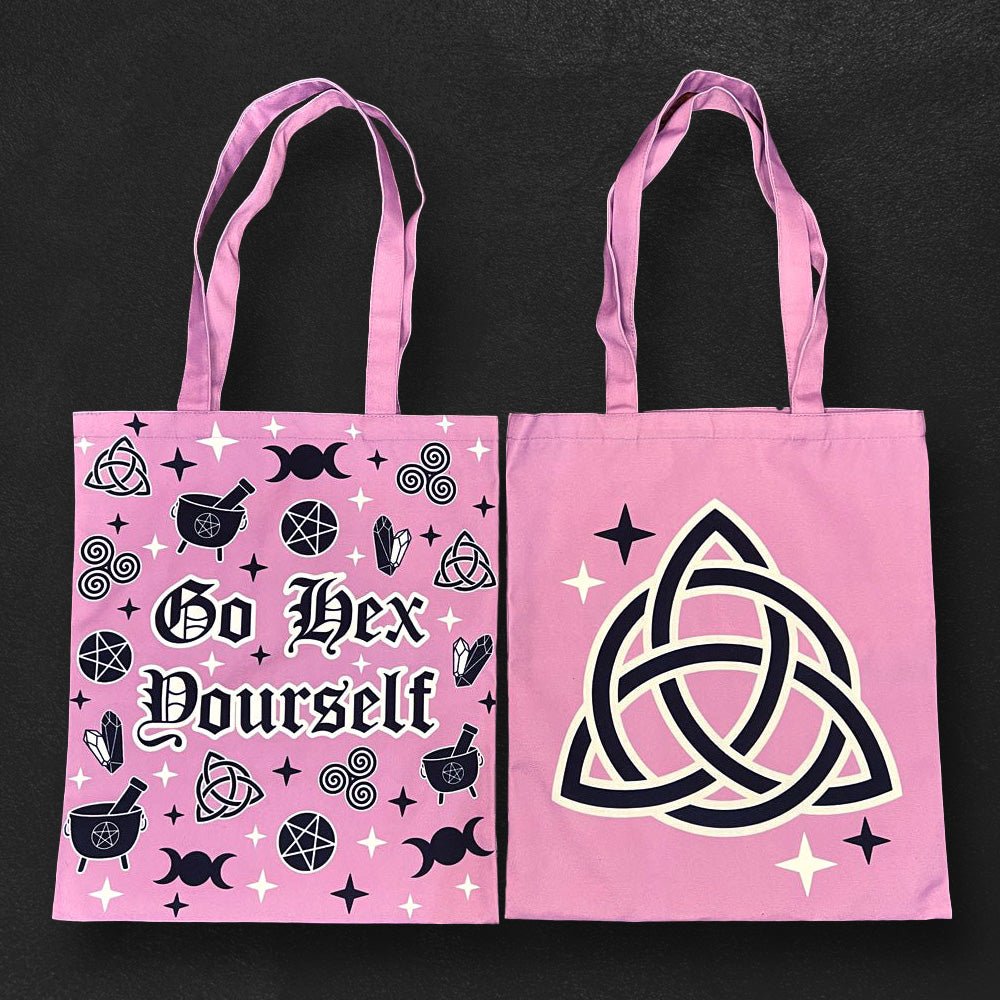
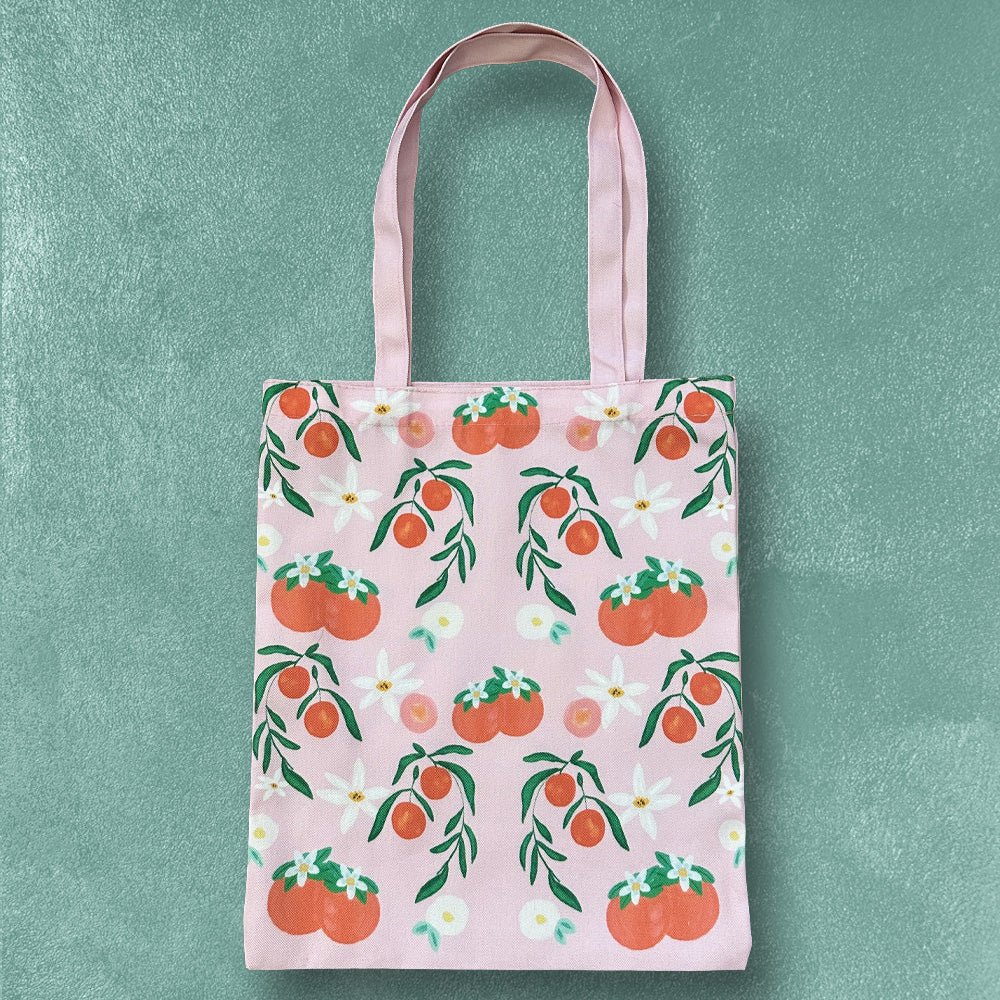
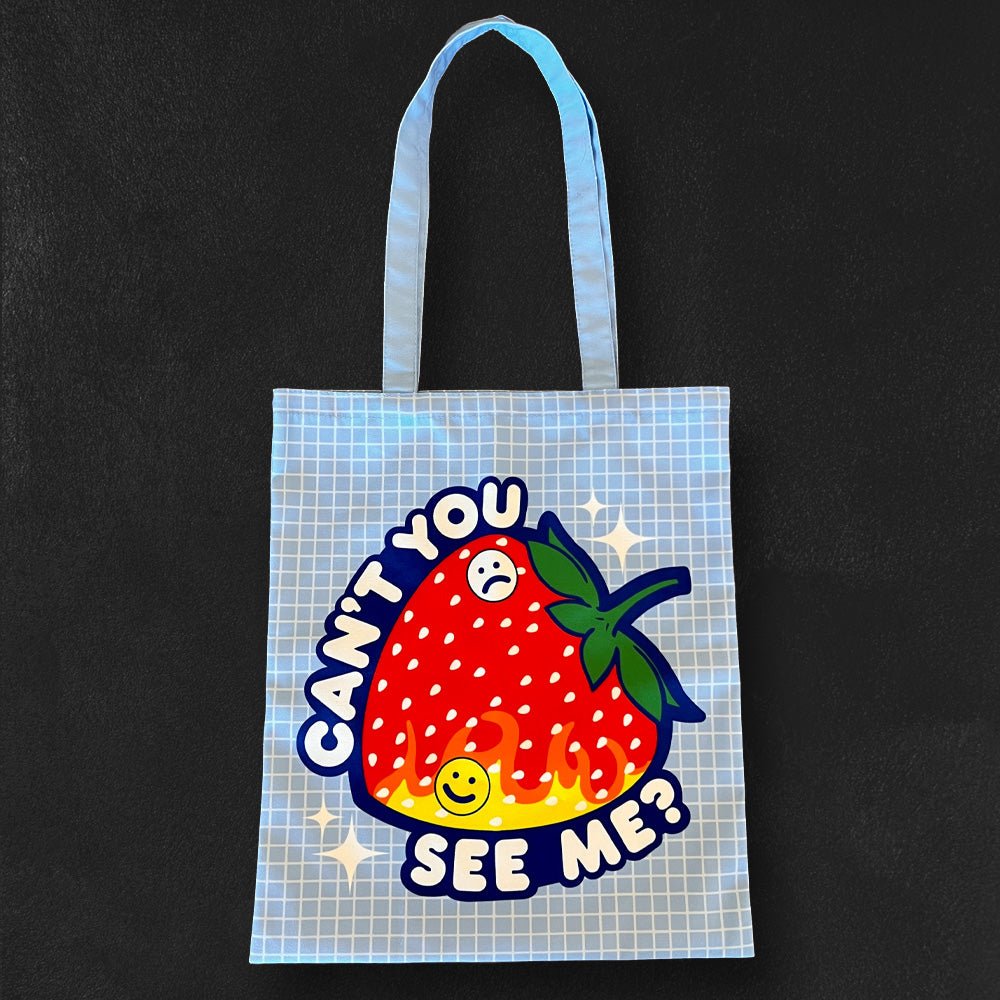
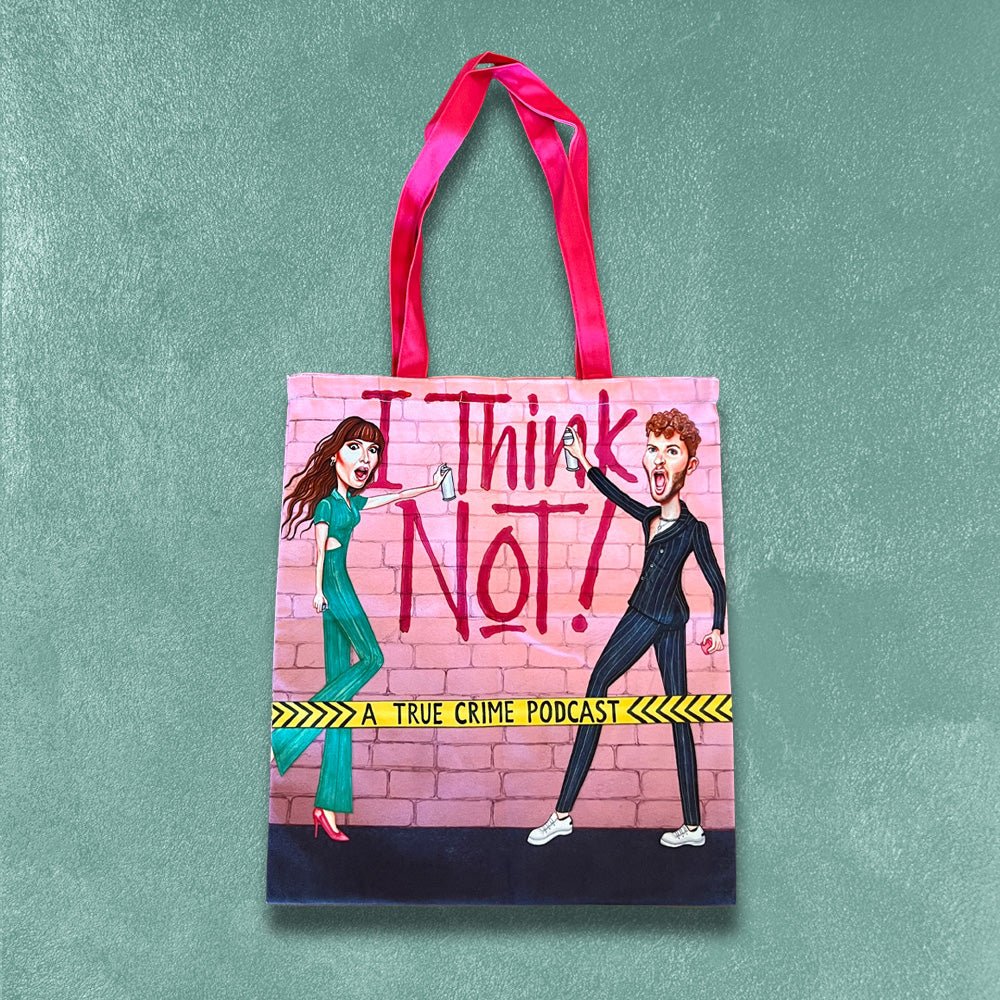
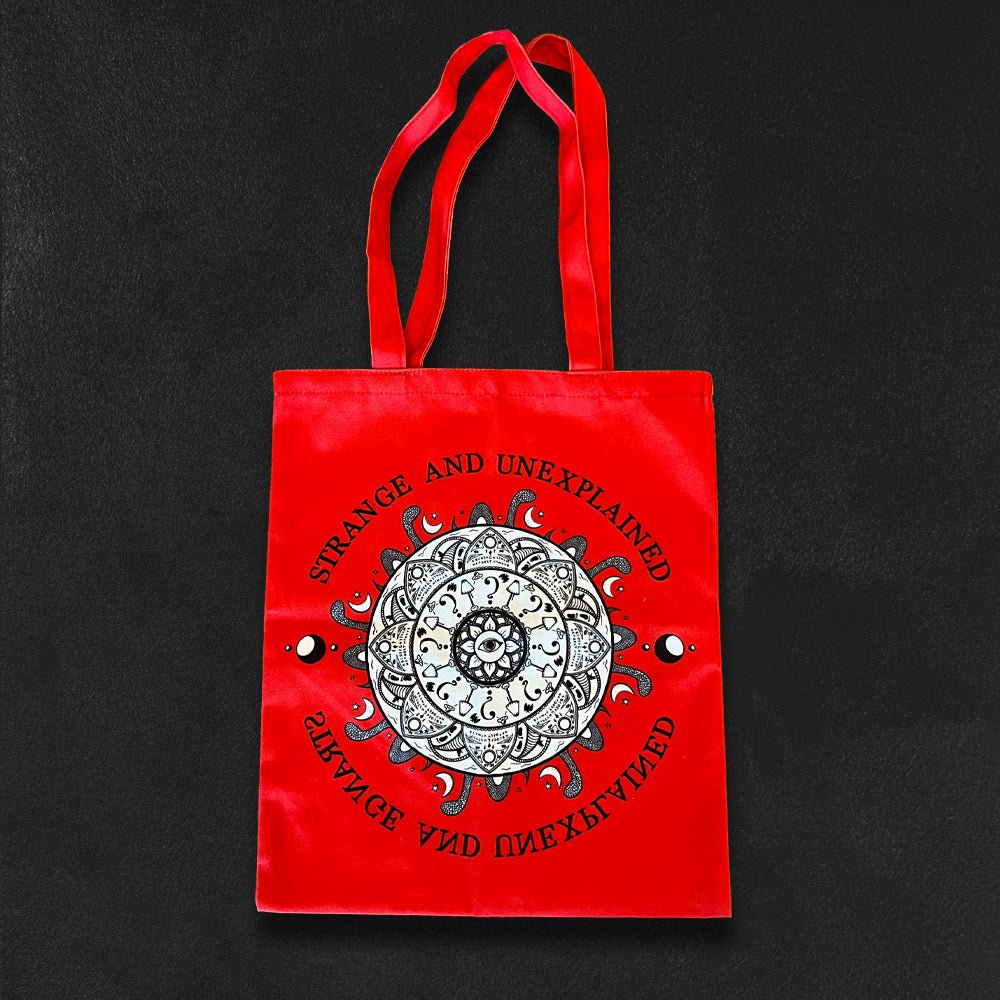
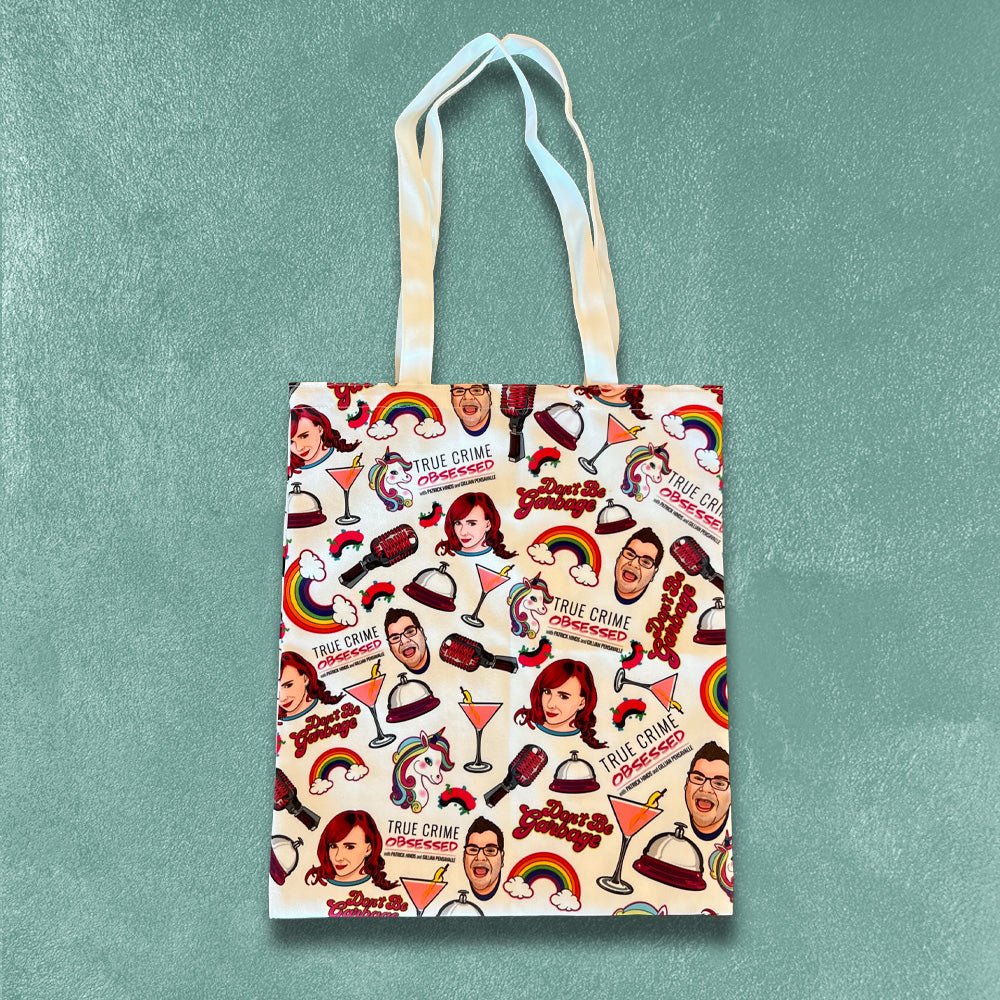
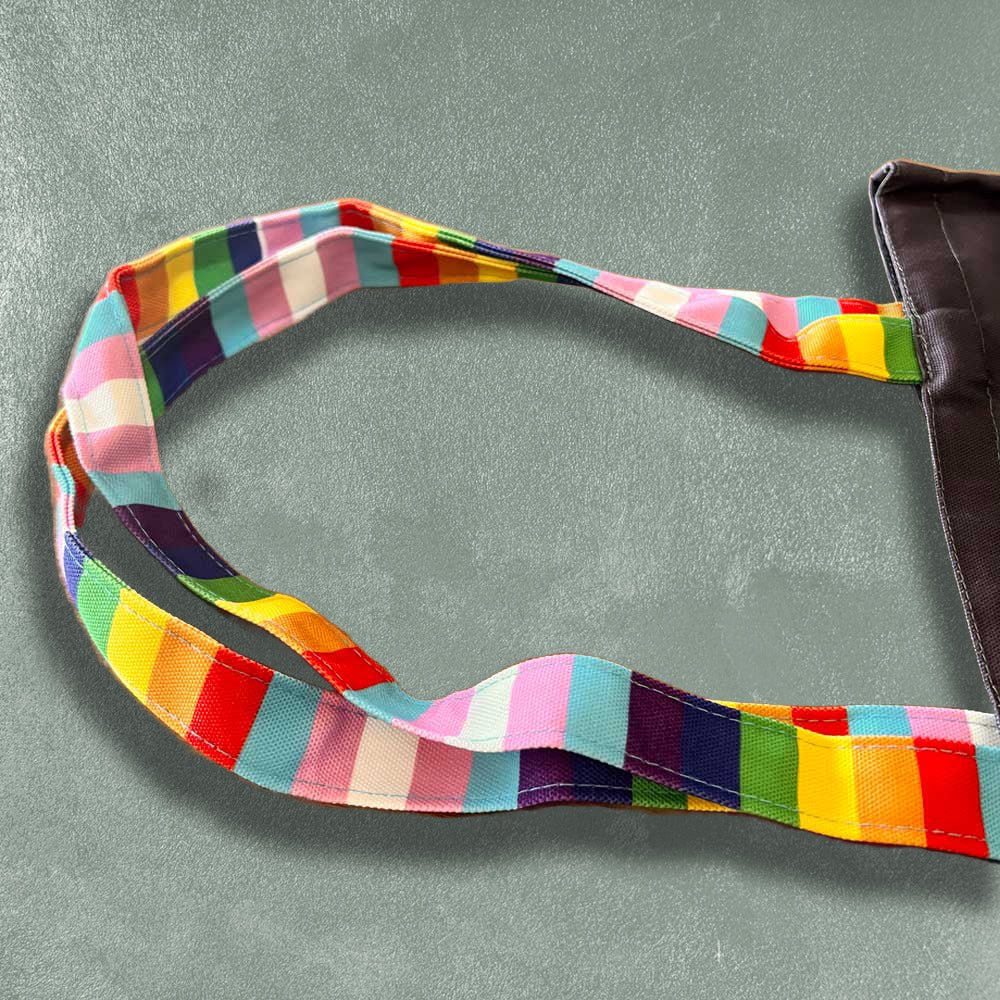
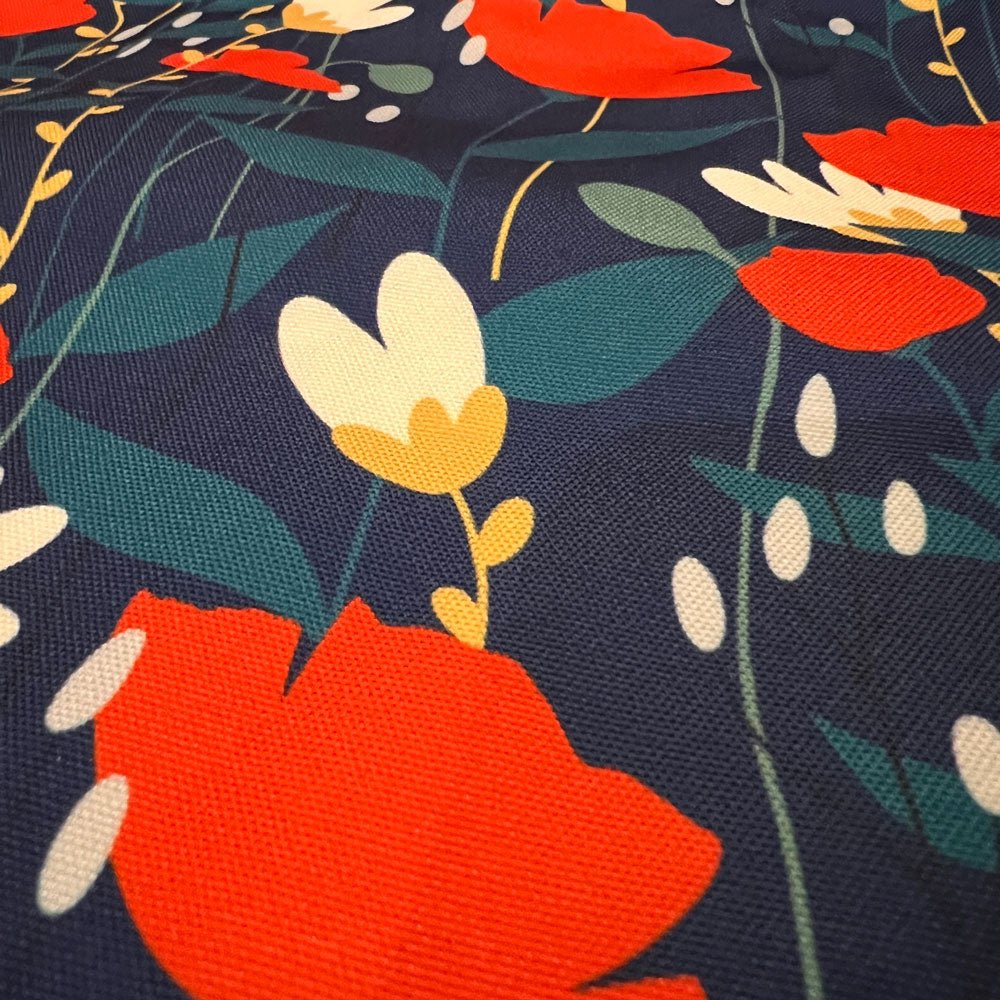
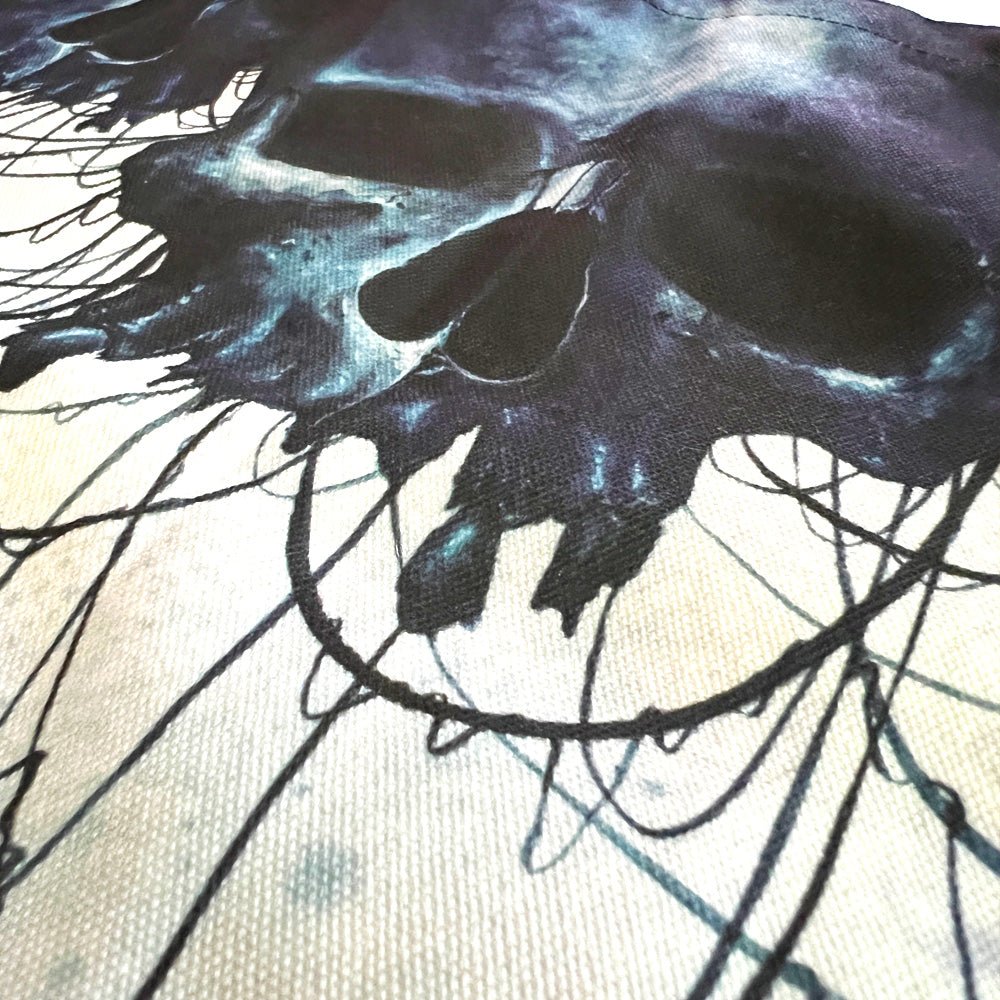
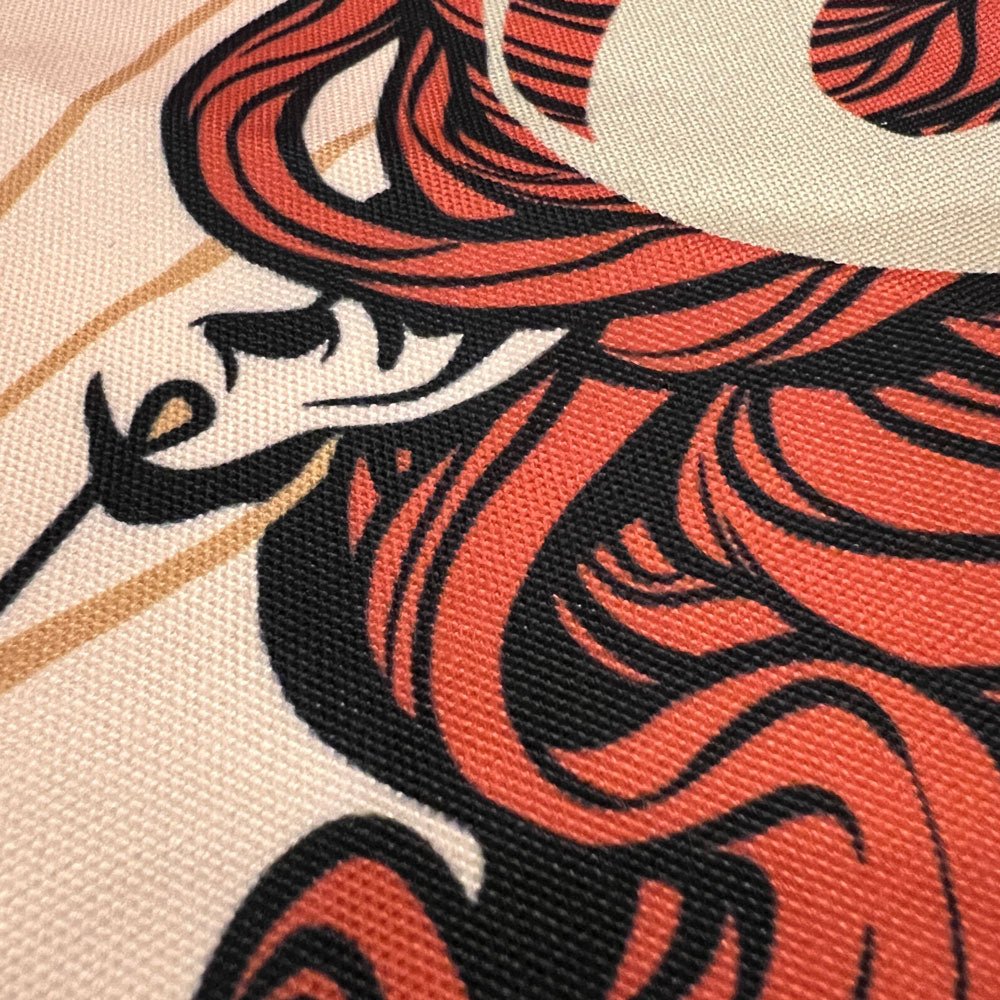
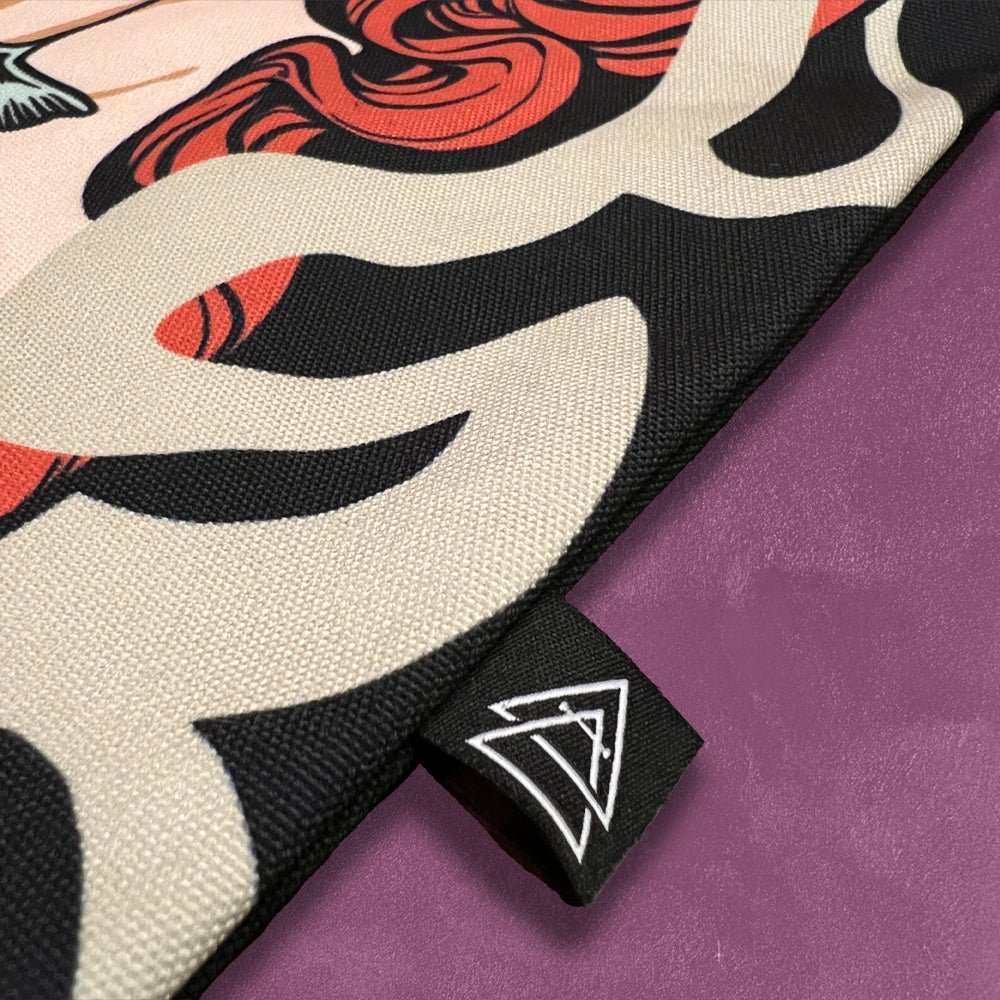
Custom sublimated tote bags for artists, indie brands, music labels, fashion brands, and anyone whose tote design depends on full-color, all-over, edge-to-edge artwork that screen printing or DTF can't reproduce. Sublimation prints your design directly into the polyester fibers themselves, so the artwork becomes part of the fabric — no surface ink layer, no print boundaries, no color count limits. The result: a tote that looks like the design is the bag.
Alchemy is a production partner built by artists, musicians, and brand owners. We've helped creators produce over 5 million custom products since 2019, and we don't operate like a promotional products company. Whether you're an indie illustrator running your first 50-piece drop, a band making merch for a tour, or a designer ordering for a brand launch, our job is the same: make the best merch we can for you.
What sublimation actually is
Sublimation printing dyes the fabric fibers themselves rather than sitting on top as a separate ink layer. The dye turns to gas under heat, bonds permanently with polyester, and becomes part of the material. This is why sublimation only works on polyester (it can't bond to cotton fibers the same way), and why the print won't crack, peel, or fade like surface-printed totes do over time.
The other thing sublimation gives you: full-bleed all-over print. There's no boundary where the print stops because the entire fabric is dyed. Patterns, photo-realistic illustration, gradients, edge-to-edge color all work. Designs that would lose detail on screen printing or look pasted-on with DTF look natural on sublimation.
What you get
- Material: 12oz / 320 gsm polyester canvas (sublimation requires polyester)
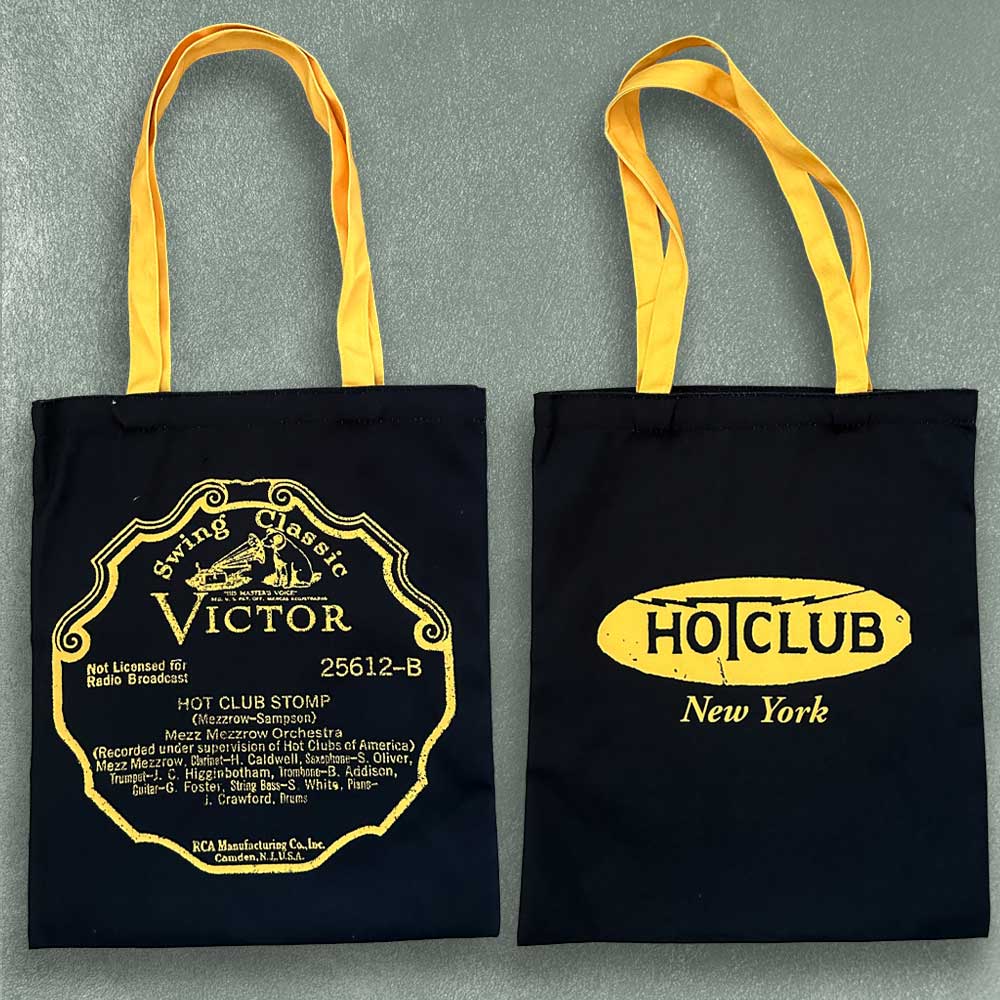
- Standard size: 40cm × 35cm (15.7" × 13.8") — fits a 12" vinyl record cleanly
- Custom sizes available on request for any dimension
- Print: Full-color CMYK sublimation, edge-to-edge all-over
- No color count limits — full-color photo-realistic art works
- Express shipping included
A note on color
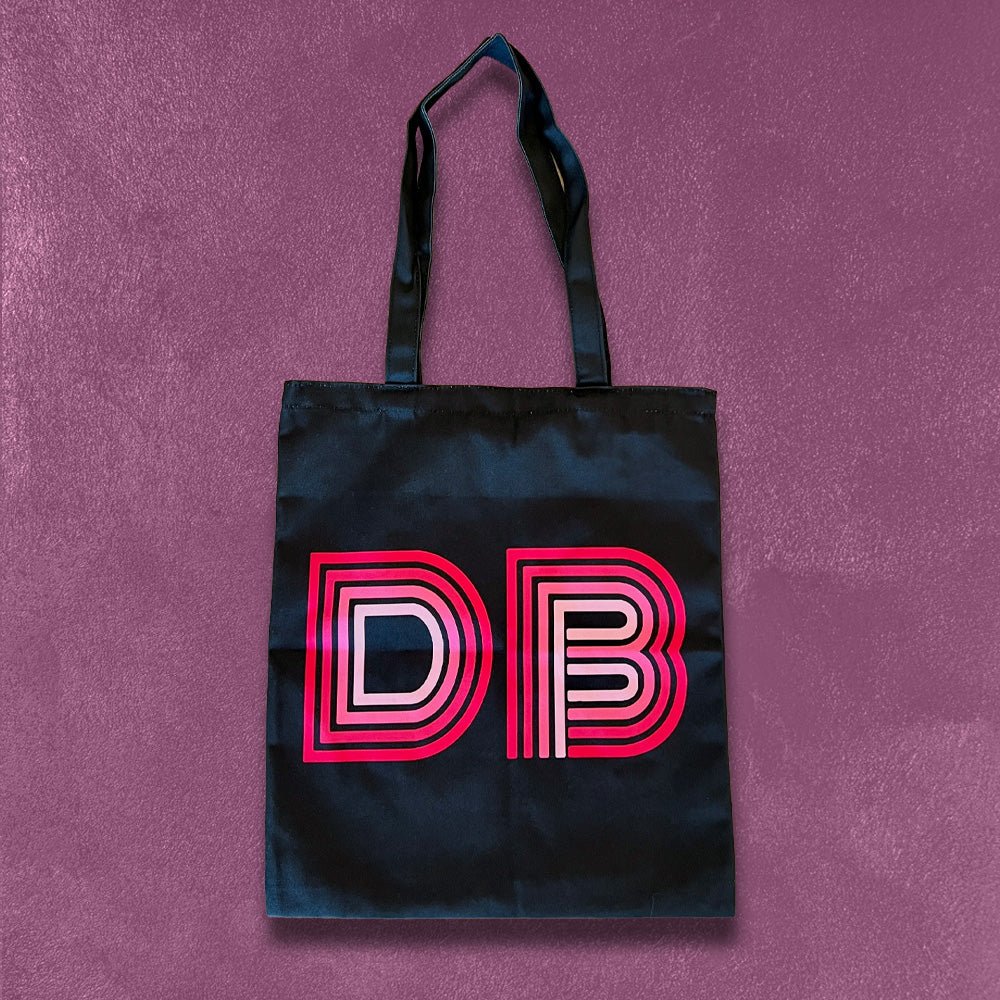
Sublimation uses CMYK, which covers most colors well but doesn't perfectly reproduce some RGB or neon values. If your design has very specific bright RGB-only colors (electric purples, neon greens, bright cyans), they'll shift slightly during conversion to CMYK. We proof carefully and tell you upfront if any colors will shift noticeably so there are no surprises.
Other tote bag options we offer
- Screen-printed cotton tote bags — 12oz cotton canvas with screen printing (1-2 colors) or DTF (full color). Better when you want a cotton feel rather than polyester or when classic 1-2 color screen aesthetic suits the design.
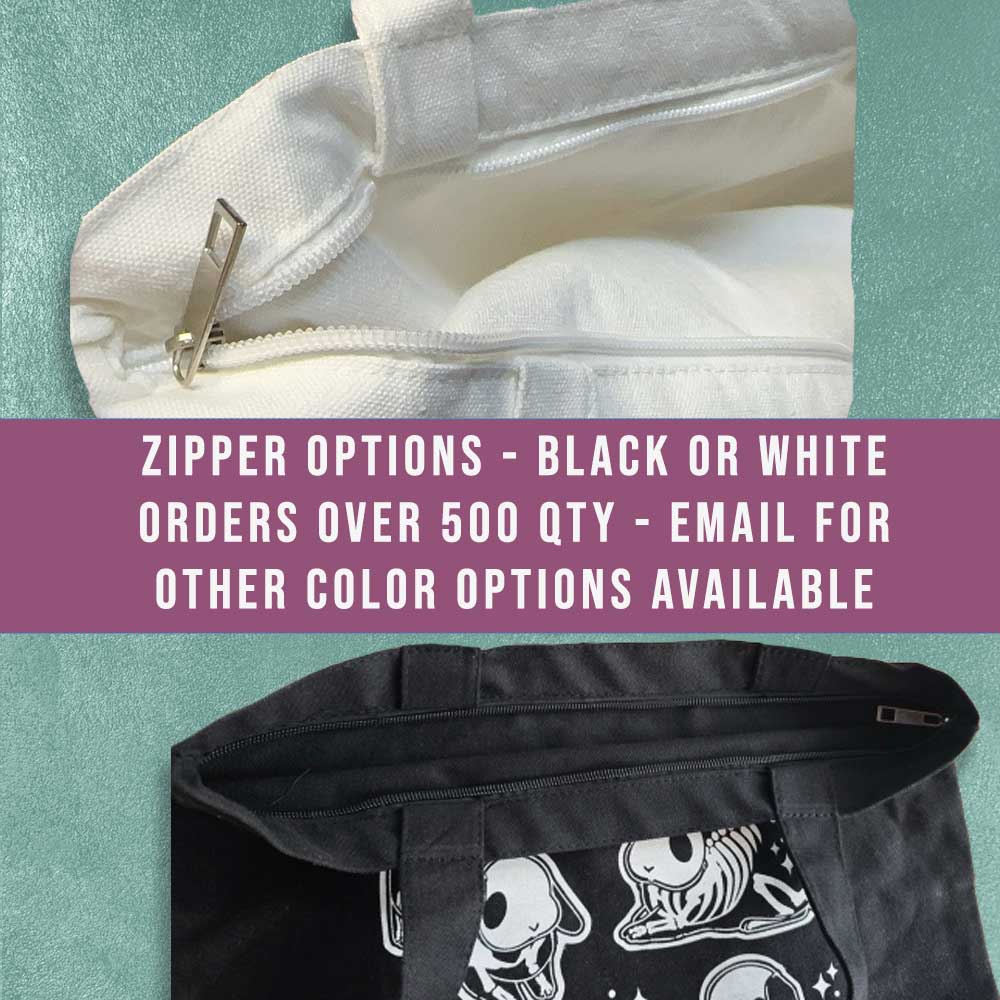
- Flat-bottom tote bags — gusseted 13" × 6" × 15" polyester sublimated totes for things that need to stand up. Optional zipper closure available.
How a run actually works
Most orders start with a quote, not a cart. You send us your artwork (vector preferred for clean lines, raster works for full-color), and we come back with pricing, a production timeline, and any production notes within a business day or two. We'll flag anything in the file that won't translate well at production size before we move forward.
From proof approval, most overseas products are about a month to your door. That's the nature of producing 100% custom merchandise overseas vs. shipping a stock promotional item. Shipping is express and included in the price.
If you have a hard deadline, tell us before you order. We don't charge rush fees. We'll either confirm we can hit your date or tell you up front that we can't, so you can plan around it.
Why our minimum is 50
It's a factory math thing, not a quality stance. The factories we work with charge a labor minimum that covers setup, mold use, proofing, and the production run itself. That floor barely changes between a 25-piece and a 50-piece order, so a 25-piece run costs almost the same as 50 with half the output. 50 is where the per-piece price actually starts to make sense.
We can run smaller hard sample runs if you really need to (the factory will do it), but it's not financially viable for most people: you're paying close to 50-piece pricing for a fraction of the output. If you're set on a small run, email us first and we'll walk through whether it's worth it. Larger runs (100, 200, and up) bring the per-piece cost down meaningfully.
Who we work with
Artists running their own work: illustrators, bands, indie brand owners, podcasters, comic creators, convention sellers. Designers ordering for a brand launch, an event, a campaign, or a customer giveaway. Agencies and design studios producing merch for their clients. Merch companies running production for the artists they represent. The common thread is that the merch matters: it's representing a brand, a band, an artist, or a project that someone cares about.
What you get with Alchemy
- 5+ million products produced for creators and brands since 2019.
- 100% money-back guarantee. If it's not right, we remake it at no cost or refund you in full.
- Long-standing factory relationships. We've been working with the same vetted overseas factories for years. Consistent quality, predictable timelines, no chasing the lowest quote at the cost of the product. You get a US-based partner who handles the production logistics for you.
- Quality good enough for licensed brands. We've produced merch for officially licensed properties and large brands. The same standard goes on every order, including yours.
- A team of artists, musicians, and brand owners. Not customer-service reps trained on a script. Everyone proofing your file knows what it feels like to send their own art to a factory and hope it comes back right.
Common questions
What's the difference between sublimated and screen-printed totes?
Sublimated is polyester with the design dyed into the fibers — full color, all-over, no boundaries. Screen-printed is cotton with ink applied to the surface — typically 1-2 colors with crisp lines. Sublimated wins for photo-realistic art and pattern designs; screen-printed wins for classic logo-driven cotton-feel merch. More on screen-printed tote bags here.
What's the difference between sublimated and DTF?
DTF (direct-to-film) is also full color but sits on top of the fabric as a transferred print layer. Sublimation goes into the fibers. DTF works on cotton; sublimation requires polyester. DTF can have a slightly textured/raised feel; sublimation feels exactly like the underlying fabric. Both are full color; the choice often comes down to whether you want cotton (DTF) or polyester (sublimation) as the base material.
Will sublimation hold up over time?
Yes. Because the dye is in the fibers (not on top), it can't crack, peel, or wash off. The print lasts as long as the fabric does. Heavy outdoor UV exposure can eventually fade colors, but this is true of any printed product.
What artwork format works best?
High-resolution raster (300 DPI at print size) or vector with embedded raster elements both work. CMYK is ideal; RGB converts and we proof carefully. PSD or PNG with transparent background is fine for raster-only artists.
Can I do multiple designs in one order?
Yes. Multiple designs are allowed in increments of 50: a 100-piece order can be 50/50, a 200-piece order can be 50×4. Each design is its own production run because each needs its own print setup.
How long do sublimated totes take?
About four weeks from proof approval to your door, including express shipping. No rush fees.
Do I see a proof before production?
Yes. Digital proof showing how your design lays out on the tote, with a heads-up on any colors that may shift in CMYK conversion. Revisions until you approve.
Are these made in the USA?
Sublimated tote bags are produced overseas at long-vetted factories. Our team is US-based and handles file prep, proofing, and customer success. Our wooden products and stickers are made in the USA.
Start a quote
Send us your artwork and a rough quantity, and we'll come back with pricing and a timeline within a business day or two. Not sure if your file will work? Send what you have. We'll tell you what we'd need to make it production-ready. Start a quote.
